
A trouser suit can feel polished on the hanger and less convincing once you put it on. The jacket may fit at the waist but pull across the front. The trousers may sit comfortably while standing and become restrictive at a desk. These are reasons to assess the suit as clothing you will use, rather than a shape you hold for a photograph.
Women’s trouser suit fit begins with the silhouette you want. A softly relaxed jacket, a defined waist and a straight or wide trouser leg can all be intentional choices. Good fit should support that design while allowing comfortable movement.
For workwear in Singapore, consider the routine as well: commuting, sitting, presenting and wearing the jacket over different tops. Those details influence how much room and structure you need.
This guide explains what to observe when trying a suit and how to describe your requirements during a tailoring discussion. It does not require your body to fit a standard style category before you can choose a look.
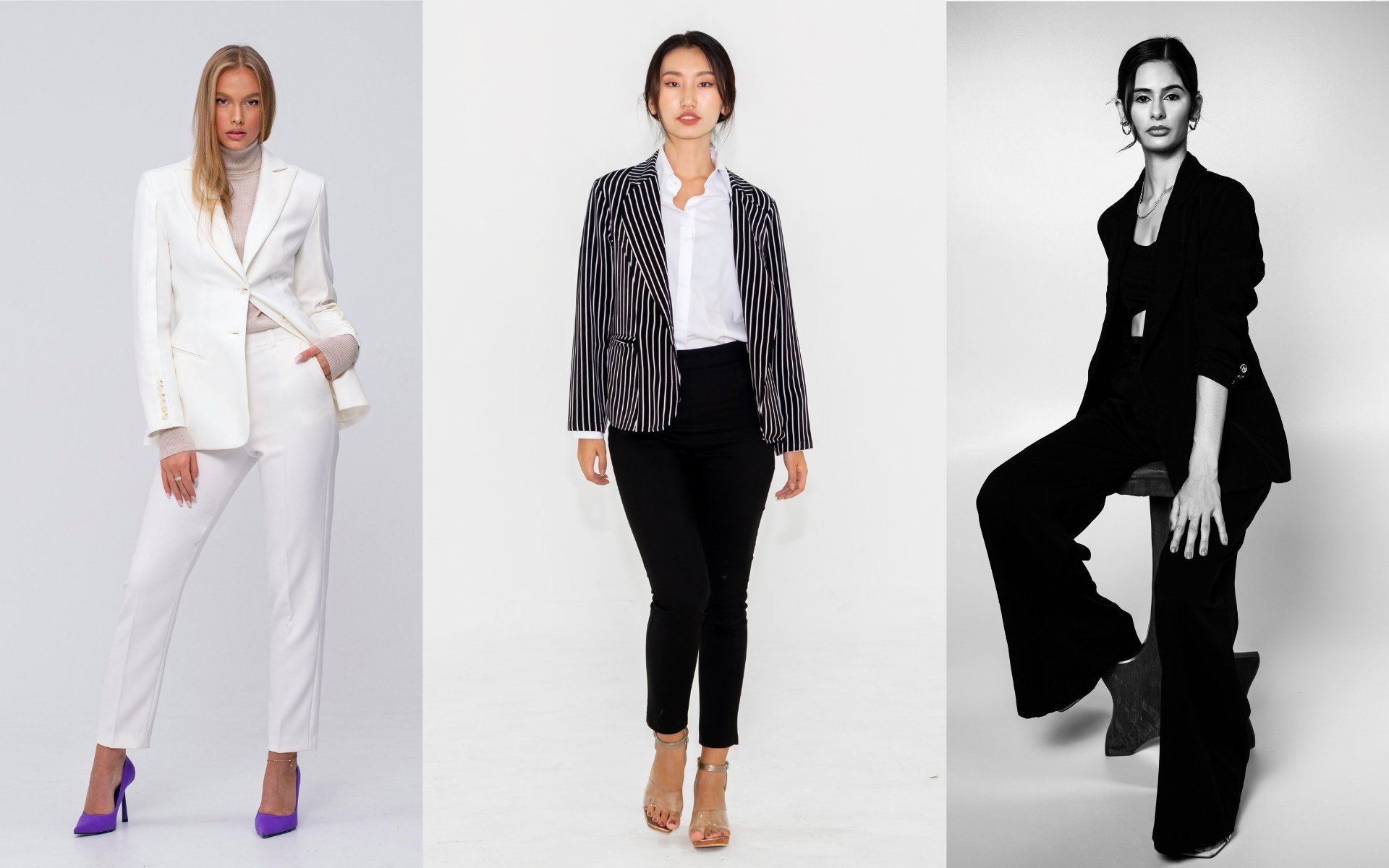
Define the Intended Shape Before Judging Fit
A fitted jacket and a deliberately relaxed jacket should not be assessed by the same visual expectation. Begin by clarifying whether you want close waist shaping, a straighter outline or a softer, more generous silhouette.
Choose a few references and explain the feature that attracts you. You may like the jacket length in one photograph and the trouser width in another. Identifying those elements is more useful than asking for the whole image to be copied.
Keep room and proportion distinct
Extra cloth can be part of a design, but it should fall in a considered way. Likewise, a shaped waist should not depend on uncomfortable pressure or strain across the fastening.
View the complete suit from a normal distance. A small fold that seems significant close up may be less important than a broader imbalance between jacket and trousers. Then move normally and see whether the intended outline settles again.
Discuss the occasions that matter most. A suit for frequent desk-based work may need a different wearing brief from one used mainly for presentations or occasional events. The desired appearance and the practical use should be part of the same conversation.
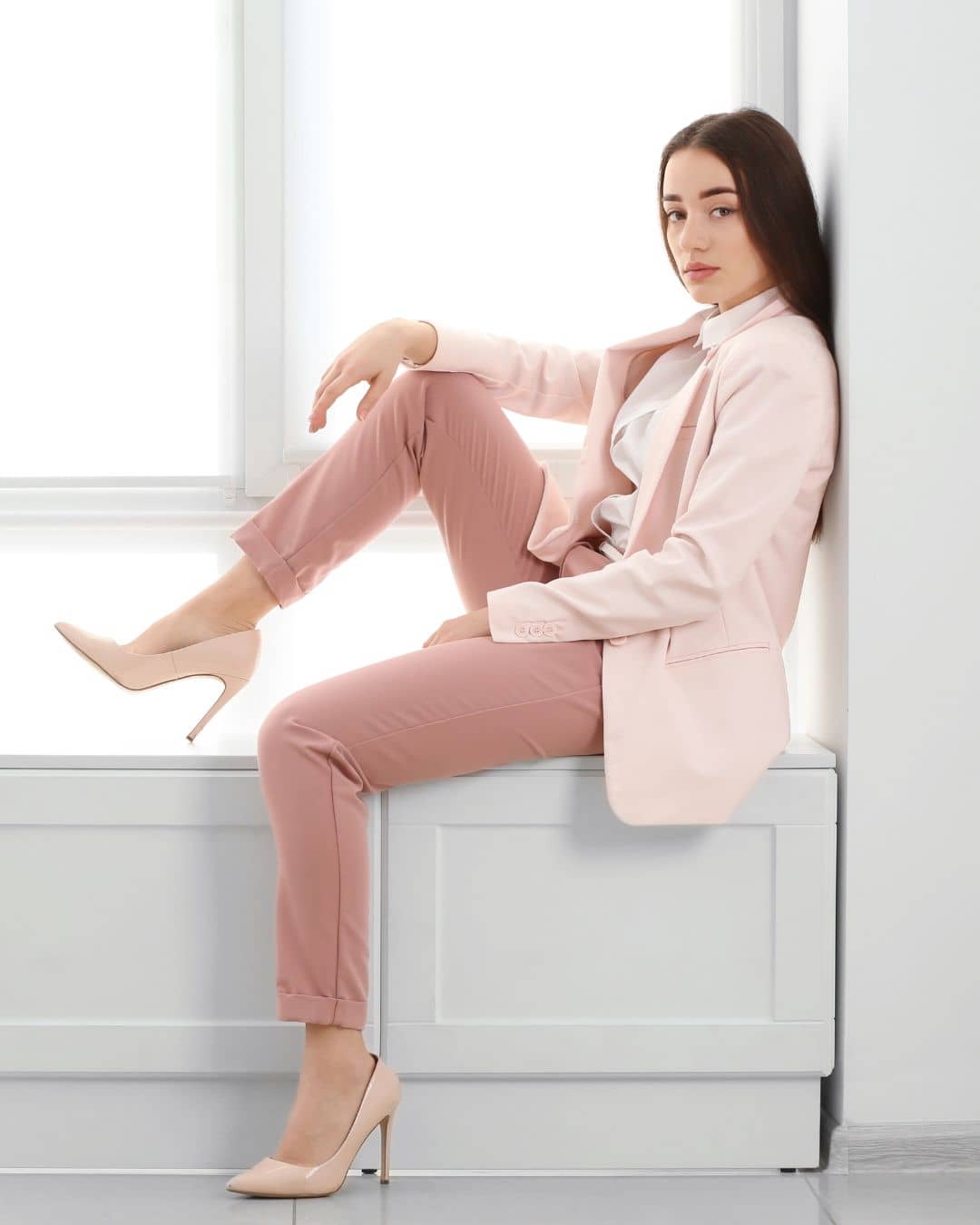
Check the Jacket Shoulders, Neckline and Front
Start at the shoulders and neckline before focusing on the waist. These areas help establish how the jacket hangs. Notice whether the collar sits naturally with your chosen top and whether the shoulder line supports the intended silhouette.
With the jacket fastened as designed, observe the front. Persistent pulling, lapels that do not settle or a closure that feels strained are useful concerns to describe. They should not be dismissed simply because the waist looks defined.
Assess room through the bust and upper body
The jacket needs to accommodate your proportions without forcing you into an unnatural posture. Try the garment while standing as you normally do, rather than holding your shoulders in an exaggerated position.
If the front feels restrictive while the waist is loose, explain that difference. Making the entire jacket smaller may not address the relationship you need. The relevant shaping should be assessed together.
Reach forward gently and return to rest. A jacket will move and form temporary folds, but repeated discomfort or a neckline that constantly needs correction deserves attention.
Wear the undergarment and top you expect to use, where practical. Those layers affect how the suit sits, so the most useful fitting resembles your intended outfit.
Judge Waist Shaping and Jacket Length Together
The position and amount of waist shaping influence the suit’s outline. It can be subtle or pronounced depending on the design, but should remain compatible with comfortable sitting and normal breathing.
Look at the jacket length in relation to the trousers. A shorter jacket creates a different proportion from a longer style, especially with wide legs or a higher waistband. Neither length is automatically correct for every wearer.
Include the side and back views
Check whether the jacket falls naturally around the hips and seat. If the hem catches or the back feels restrictive, describe the area rather than concentrate only on the front fastening.
Ask how pockets and vents relate to the proposed design. Their placement can influence the visual line, but pockets should not be used to store so much that they distort it.
Try the jacket open if you often wear it that way. The unfastened appearance should be part of the discussion, particularly if it is your normal office habit. A garment judged only while closed may not show the look you will use most.
A full-length photograph taken from a consistent, natural angle can help compare lengths. Avoid a close downward phone view, which can alter the proportions and make the assessment less reliable.
Choose Trousers Around Waistband Position and Movement
Decide where you want the waistband to sit. A higher position, a mid-rise and a lower position create different relationships with the jacket and top. Choose a location you can maintain comfortably rather than one that requires repeated adjustment.
The waistband should be assessed with the seat, hips and thighs. A correct circumference at the waist does not guarantee that the rest of the trousers will feel right.
Test the seated fit
Sit naturally in a chair. Notice pressure across the lap, pulling through the seat or a waistband that moves away from its intended position. Then stand and walk before looking again.
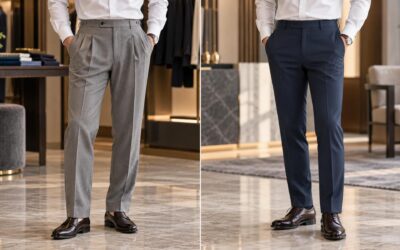
A straight, tapered or wide leg can all be tailored choices. Look at how the cloth falls from the hips to the shoe, rather than assume one shape is required to appear professional.
If the leg catches as you walk, or pockets flare at rest, explain those observations. The answer may involve more than changing the waistband measurement.
For wider context on separate garments, C. Armani Tailors’ shirts and trousers service page provides a relevant starting point. When ordering a suit, however, keep the jacket and trouser proportions in the same discussion.
Set Hem and Sleeve Length With the Intended Styling
Bring the shoes you expect to wear most with the suit. A change in heel height or shoe profile can alter how the trouser hem sits, particularly with a wider leg. A fitting with unrelated footwear may give an incomplete reference.
If you want to use two noticeably different shoe heights, discuss that intention. One hem will not necessarily create the same finish with both. Decide which use should guide the length.
Consider the top and sleeve relationship
A blouse cuff, a simple knit top and a sleeveless layer create different effects beneath a jacket. There is no need to apply one cuff-display rule to every outfit. Choose the sleeve finish around your intended styling and the design.
Bend your elbow and reach forward gently. Notice whether the sleeve remains comfortable and whether the top bunches beneath it. A sleeve that looks neat at rest should also be workable in normal use.
Include a watch or other wrist accessory you regularly wear. Small practical details are easier to assess during the fitting than after the sleeve length is settled.
If your wardrobe uses several tops, identify the most common ones. That gives the tailor a useful baseline while allowing you to discuss whether the suit can accommodate the variation you need.
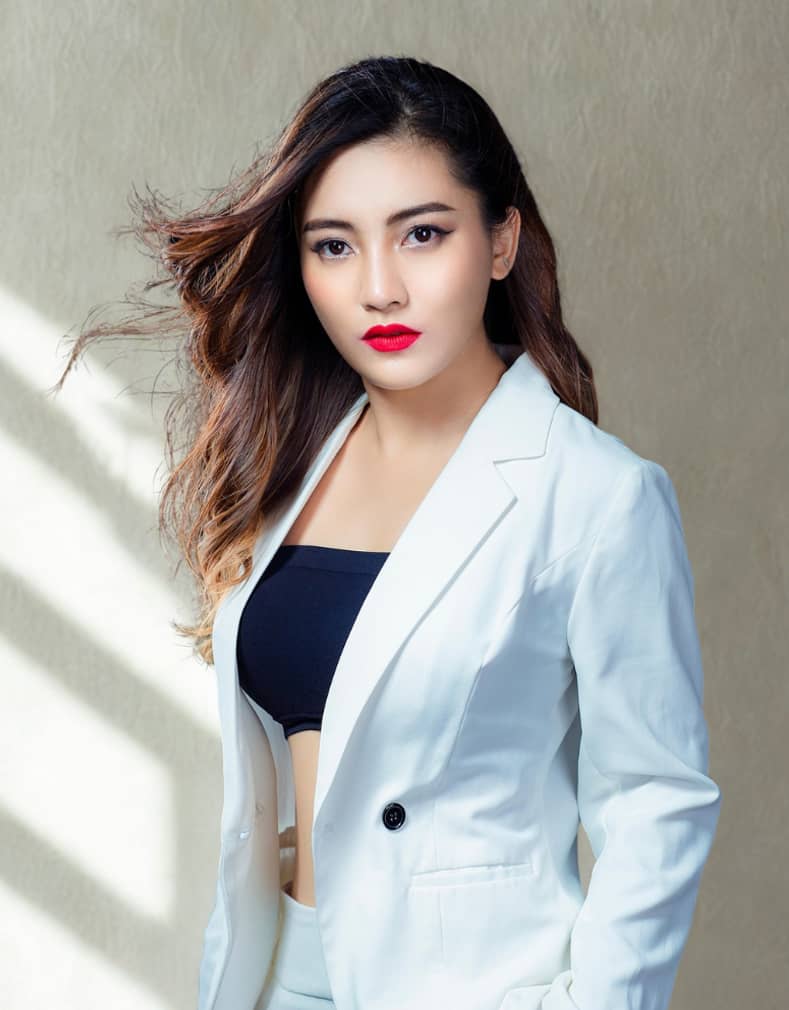
Use a Workday Fit Check and Give Specific Feedback
Try the complete suit with a representative top and shoes. Sit as you would at a desk, walk a few steps, reach towards an imagined table and stand naturally. Avoid forcing extreme movements the outfit is not intended to perform.
Keep notes about where you feel restriction and which activity reveals it. “The back pulls when I reach forward” helps more than a general comment that the suit feels wrong.
Bring your routine into the brief
Explain how long the jacket stays on, whether you move between indoor and outdoor settings and what you usually carry. In Singapore, a commuting outfit may have different practical requirements from a suit worn only inside an office.
Discuss the available cloth in terms of feel, drape and likely behaviour. A fabric name alone does not describe the complete wearing experience. Ask what options suit your proposed silhouette and daily use.
The purpose of tailoring fitting sessions is broader than this particular garment, but the principle is useful: give feedback based on wearing the clothes, not only viewing them.
C. Armani Tailors’ verified Bespoke Ladies service provides a starting point for a womenswear tailoring discussion. Confirm the available garments, designs and fitting arrangements for your requirements.
If you bring an existing suit, explain what you want to retain as well as improve. A comfortable trouser waist or a jacket length you love can become a useful reference without requiring the new garment to repeat every detail.
Build a Trouser Suit Around Your Actual Wardrobe
A well-considered women’s trouser suit combines the shape you want with comfortable fit through the jacket and trousers. Layers, footwear and ordinary movement complete the assessment. The garment should support your way of dressing rather than require constant adjustment.
Bring your preferred silhouette, representative tops and daily workwear requirements to C. Armani Tailors when discussing bespoke womenswear. Clear references and specific feedback help make the conversation about clothes you will enjoy wearing.
Visit the showroom at #02-42 Far East Plaza, 14 Scotts Road, Singapore 228213 to explore tailoring for your trouser suit, or use the Contact Us button below to discuss the fit and wardrobe needs you would like the outfit to serve.

0 Comments