
You want to organise your wedding suit early, but you are unsure what size you will be when the day arrives. Perhaps your current clothes are becoming looser, or a change in routine has altered how shirts and trousers sit. Waiting until everything feels settled can seem tempting, yet the wedding deadline still needs a workable plan.
Questions about wedding suit weight loss are really questions about uncertainty: when to take measurements, what can be decided now and how much flexibility a finished garment offers. A target number on the scales cannot answer those questions on its own.
The useful starting point is an honest conversation with your tailor about your current fit and the date the suit is first needed. The aim is to organise the clothes around you, with clear review points if your dimensions change.
This guide addresses that changing-size situation specifically. Our groom’s wedding tailoring timeline covers the broader planning sequence; here, the focus is how to handle measurements and garment decisions when your final size remains uncertain.

Tell the Tailor What Is Changing, Not Only Your Target Weight
Explain how your existing clothes fit today. Are trousers slipping at the waist? Is a shirt tighter across the shoulders? Has the way a jacket closes changed? These observations give the tailor a more useful starting point than predicting a future clothing size.
Body weight and garment dimensions are different information. Two people with the same weight can need different cuts, and changes do not necessarily occur evenly across the chest, waist, seat and thighs. Do not ask for every measurement to be reduced by an assumed amount.
Describe the uncertainty clearly
You might say, “My waist measurement has been changing and I do not know whether it will be stable before the wedding.” That lets the tailor assess the scheduling question without treating an estimate as an instruction for the pattern.
Bring current clothes or photographs if they help demonstrate what you mean, but let the tailor take the measurements needed for the actual garment. Measurements taken casually at home can vary with tape position and posture.
Include any changes you have noticed since an earlier consultation. An old measurement record describes an earlier fitting situation. It should not be assumed to represent the body the suit will need to accommodate now.
The conversation should lead to an agreed way to review fit, rather than a promise that the suit will suit any future size.
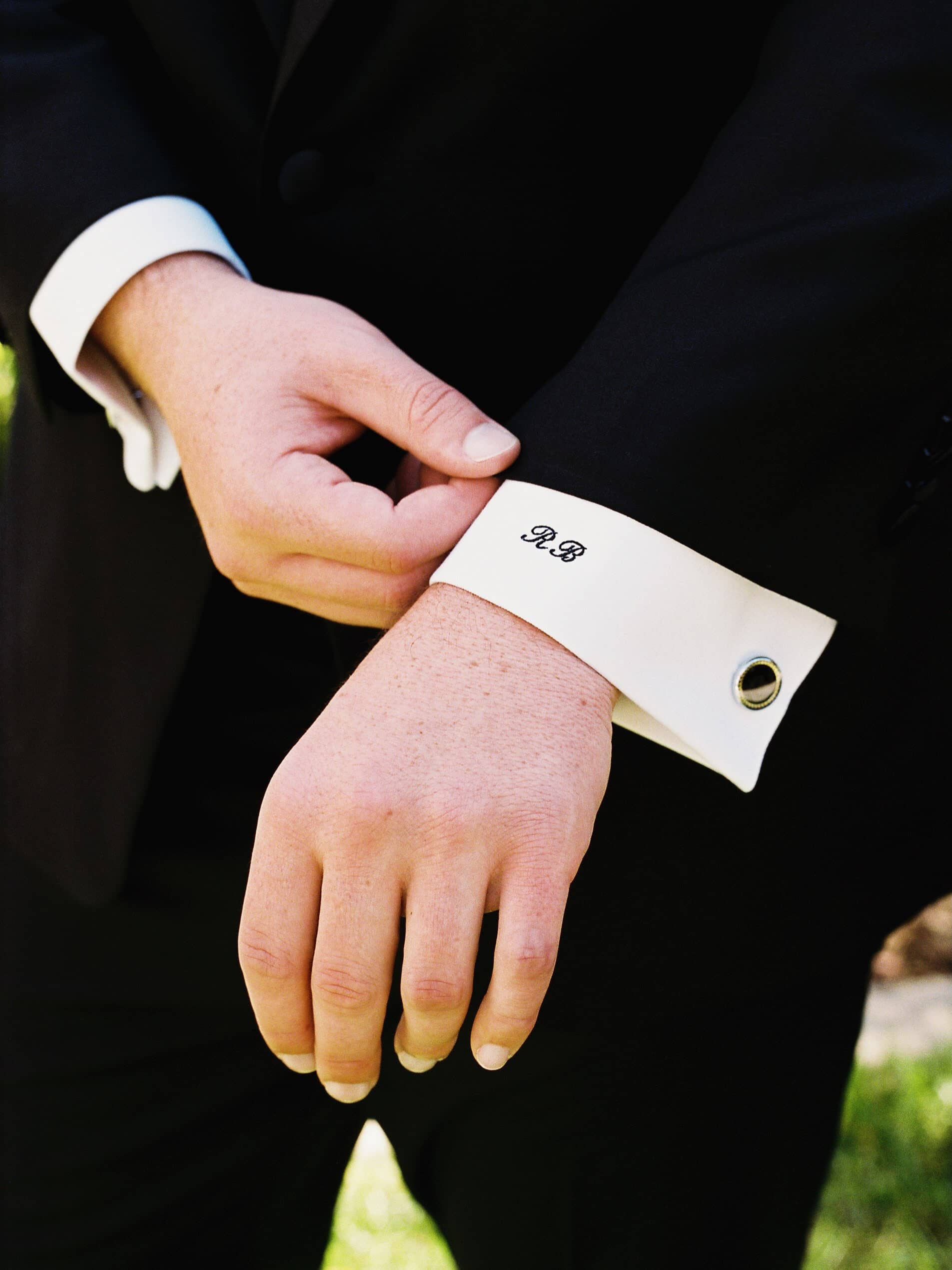
Separate Style Planning From Measurement Decisions
Some wedding clothing choices can be explored before the final measurements are settled. You can discuss the ceremony and reception, the level of formality, your preferred colour direction and whether you want a suit or eveningwear.
Reference photographs, venue images and your partner’s outfit direction can help shape that brief. Use them to communicate the mood and proportions you like, rather than asking for the photographed fit to be copied regardless of your own dimensions.
Ask the tailor which choices can be confirmed now and which should wait. Cloth availability, ordering arrangements and production stages vary; do not assume selecting a sample means the material will remain available indefinitely.
Identify the decisions that affect fit together
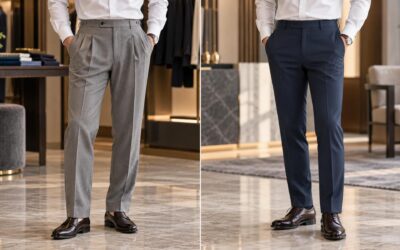
Trouser rise, jacket shape and any waistcoat belong to the same outfit. If your dimensions change, their relationship may need review. A waistband alteration can affect how trousers sit, which may also change the apparent hem length or waistcoat overlap.
Shirt fit matters too. A shirt that becomes very loose can gather beneath the jacket, while one that feels restrictive can make the complete outfit uncomfortable even if the suit has enough room.
Keep a short record of the agreed design and unresolved questions. This helps distinguish a planned fit review from a new style preference introduced after the garment has progressed.
Agree a Fitting Plan Around the First Wearing Date
The wedding date may not be your first deadline. You may need the suit for a pre-wedding photoshoot, a separate solemnisation or departure for an overseas celebration. Give the tailor every relevant date before discussing when measurements should be taken.
Ask when your fit needs to be assessed for the proposed garment and what time must remain after each review. A final fitting only helps if there is a realistic opportunity to complete any agreed work afterwards.
There is no single safe number of days that suits every changing-size situation. The garment, the adjustments required, cloth and production arrangements all matter. Agree the actual appointments directly rather than borrowing another groom’s timetable.
Make attendance part of the plan
Check your own calendar, including work travel and wedding appointments. A generous production window is less useful if you cannot attend the fitting that resolves an important question.
If you will be away, tell the tailor early. Ask what information can be discussed remotely and what needs an in-person assessment. Photographs may help describe a concern, but they do not replace every measurement or fitting check.
Confirm when to report a change and how to contact the tailor. A clear review plan lets you respond to new information without repeatedly guessing whether to wait or act.
Understand What Alterations Can and Cannot Absorb
A suit is a set of shaped garments, rather than a single circumference that can be expanded or reduced without consequence. Alteration possibilities depend on construction, available seam allowance and how extensive the change is.
Some local adjustments may be practical. Larger changes across several areas can disturb proportions or require more work than expected. Reducing a jacket substantially, for example, may affect the relationship between pockets, fastening and overall shape.
Increasing room depends partly on the material available inside the seams. Do not assume that every tailored garment contains enough spare cloth for any future change, or that extra allowance solves all design constraints.
Ask about the proposed garment specifically
Useful questions include: which areas offer some adjustment, what kind of change would require reassessment and when would the remaining time become a concern? Ask what additional work would cost if it becomes necessary, without expecting every possible scenario to be predicted.
A waistcoat adds another fitted garment to review. Trousers and a shirt may also need attention separately. A change that is manageable in one piece does not establish what can be done in the rest.
Our article on what to know about alterations provides broader background. For your wedding, have the tailor assess the actual clothes and your current fit before relying on an alteration as the solution.
Avoid Ordering for a Size You Have Not Reached
It can feel efficient to order a smaller suit and expect to fit into it later. That turns an uncertain prediction into a fixed garment decision. If the prediction is wrong, the outfit may be uncomfortable or need work that is difficult close to the deadline.
The alternative is to discuss a measurement and fitting strategy around your present dimensions and the uncertainty you have described. Ask the tailor how to stage the work sensibly for the actual dates and garment.
Do not compensate by requesting a universally oversized suit either. Excess room can alter shoulder balance, jacket shape and trouser proportions. Intentional ease and an ill-defined extra size are different design decisions.
Use comfort as part of the assessment
At fittings, stand normally rather than holding your stomach in. Sit, breathe and move as you would during the wedding. The suit should be assessed on the body and posture you will actually use throughout the celebration.
Bring the intended shirt and shoes. If those pieces also change size or style, tell the tailor. The complete outfit needs a consistent basis for review.
Your clothes should serve the occasion as you are. A wedding suit fitting is a place to resolve garment questions, rather than a test of whether you have reached a particular number or matched a reference photograph.
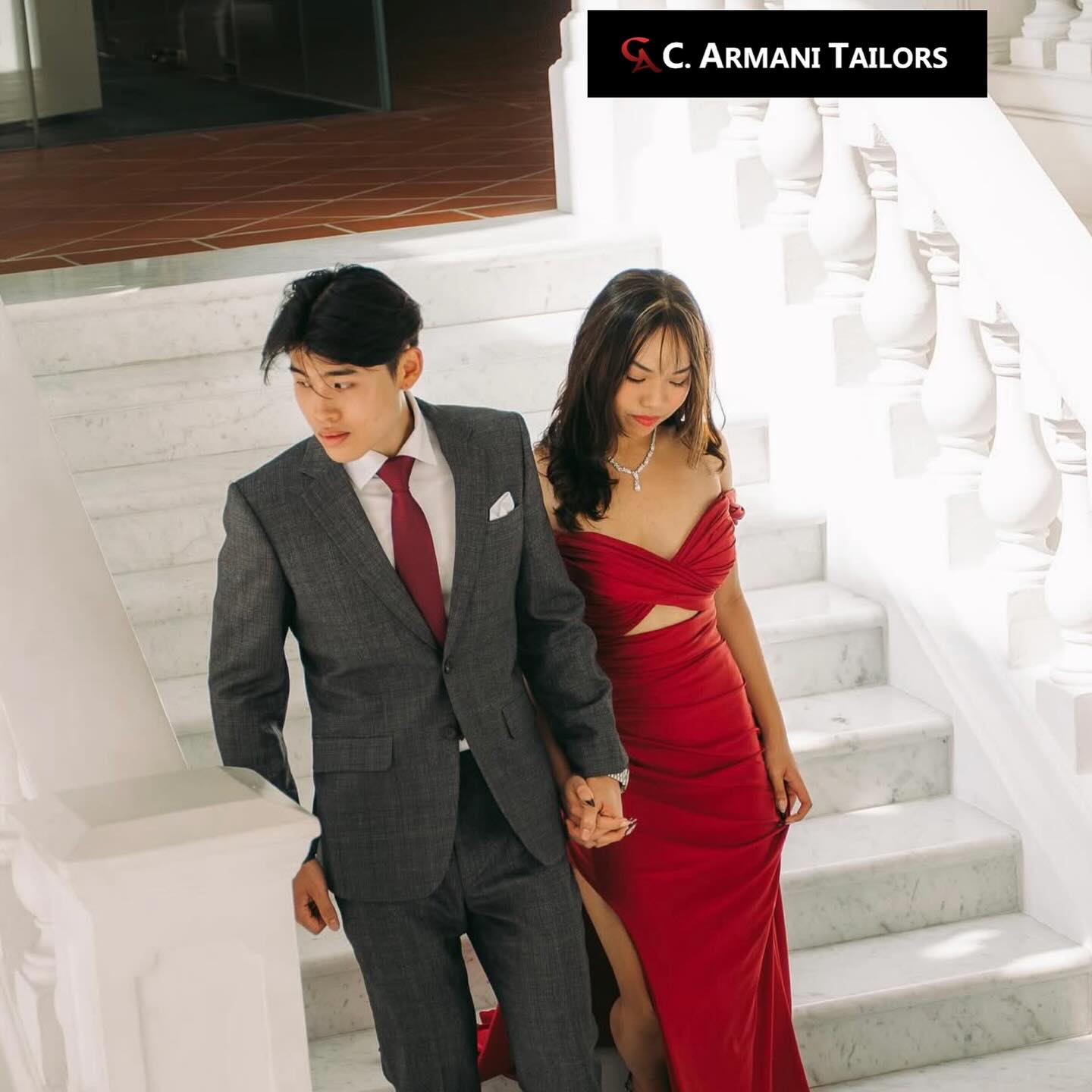
Respond Promptly if the Fit Changes After a Fitting
If the trousers start slipping or the jacket feels noticeably different after an appointment, contact the tailor with a clear description. Mention when you noticed the change and when the suit is next needed. Avoid waiting for collection to raise a concern you already know about.
Try the complete outfit with the same shirt, shoes and fastening arrangement used at the fitting. That helps you distinguish a size concern from a different trouser position, a new belt or a bulkier shirt.
Let the tailor decide whether an in-person reassessment is needed. Do not attempt to solve a shifting waistband through extreme belt tightening or use a sharply cinched waistcoat back to hide a change elsewhere.
Keep the closing stages practical
- Confirm the next review and collection dates.
- Report any new fit concern before those appointments.
- Keep the intended shirt and footwear available.
- Ask which outstanding changes have been agreed.
- Allow the advised time for finishing and review.
When exploring wedding suits at C. Armani Tailors, explain changing measurements at the outset. Confirm the available garment and appointment options directly. That creates a more realistic brief than selecting a suit around an estimated future size and hoping every detail can be corrected later.
Plan the Suit Around You and the Wedding Deadline
Changing size does not remove the value of early planning; it changes what needs to be planned. A clear design brief, realistic fitting dates and honest discussion of alteration limits help you make decisions using current information instead of predictions.
If you are considering bespoke wedding suits in Singapore, bring C. Armani Tailors your first wearing date, any earlier fittings and a straightforward description of how your clothes currently fit. Those details help frame a conversation about the suit and the steps that need to be agreed.
Visit the C. Armani Tailors showroom at #02-42 Far East Plaza, 14 Scotts Road, Singapore 228213 to discuss your wedding suit and changing fit requirements, or use the Contact Us button below to share your dates and ask how to begin the tailoring discussion.


0 Comments