
You can choose the same wedding suit and create two noticeably different looks simply by changing the neckwear. A long tie draws a line down the shirt front; a bow tie places the emphasis around the collar and face. Both can feel celebratory, but they need different support from the rest of the outfit.
The decision between a tie or bow tie for the groom is easiest when you begin with the wedding’s dress expectations and the garments you will wear. A bow tie is not automatically more suitable because the occasion is special, and a long tie does not have to make your suit resemble office attire.
For a Singapore celebration that moves from a solemnisation to a hotel dinner, think about the whole sequence. The neckwear should look right with the jacket, any waistcoat and the shirt during the moments when those pieces are visible.
Use this guide to choose a direction before buying accessories. You can then compare actual combinations instead of collecting attractive pieces that compete with one another when finally brought together.
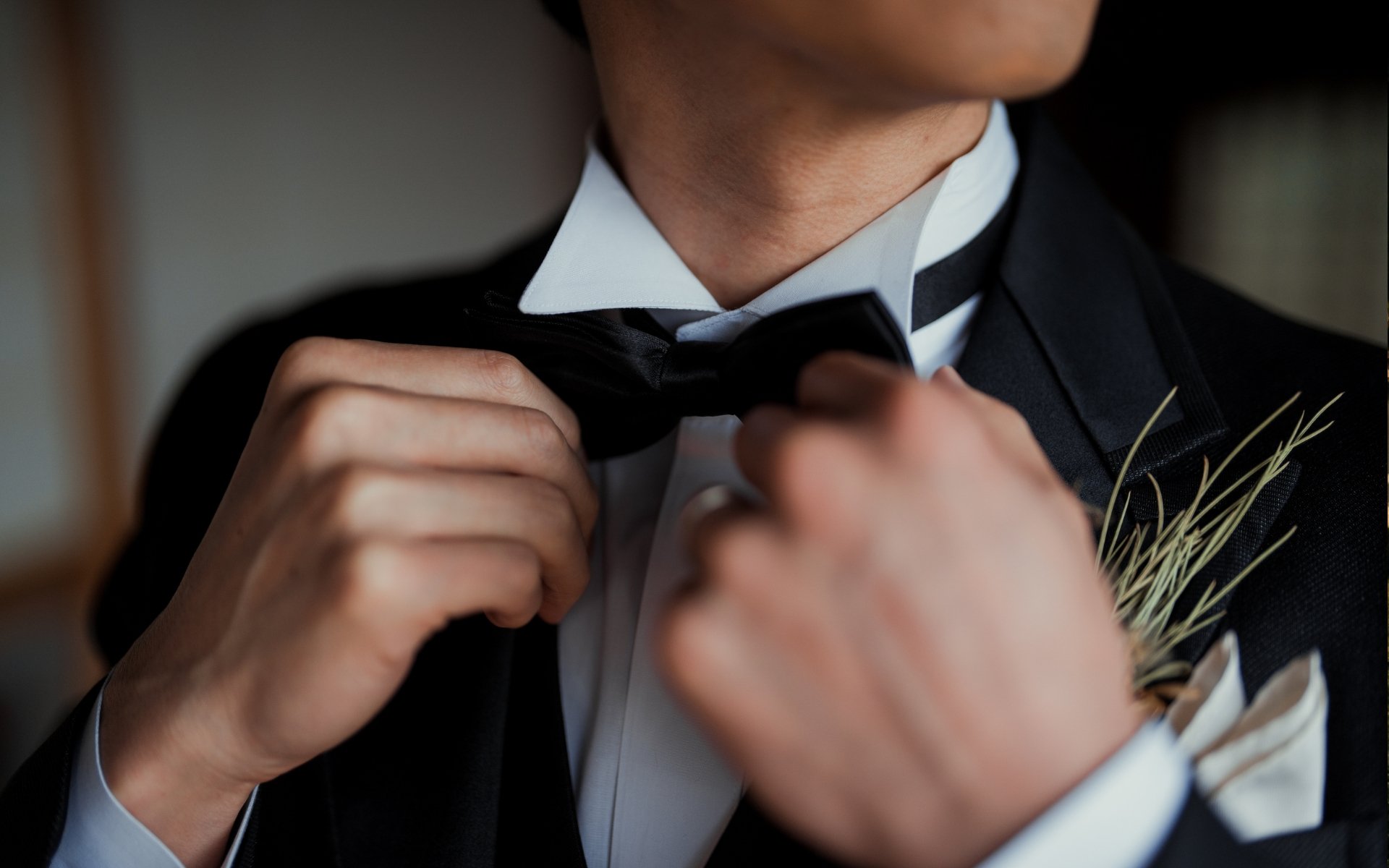
Let the Dress Code Set the Starting Point
A conventional wedding suit leaves room for either a long tie or a bow tie, depending on the style of the event. Traditional black-tie eveningwear has a more specific framework: a dinner suit or tuxedo with a black bow tie is the familiar foundation.
If you are planning a black-tie wedding, settle the formalwear ensemble before experimenting with neckwear. Adding a black bow tie to an ordinary suit does not recreate the details of a tuxedo. Our guide to when to choose a tuxedo or a suit explains that garment decision.
Clarify what “formal” means for your own celebration
Wedding language can be broad. A couple may describe a dinner as formal while intending dark suits rather than traditional black tie. Agree on the look you want as hosts and make the dress expectations clear to the wedding party.
Venue alone does not decide the neckwear. A ballroom can host several levels of formality, just as an intimate venue can accommodate a carefully dressed celebration. Consider the intended atmosphere, time of day and your partner’s outfit together.
If the garment decision points towards formal eveningwear, the C. Armani Tailors tuxedos and formalwear page is the relevant service starting point. If you are wearing a conventional suit, compare the two neckwear options within that brief.
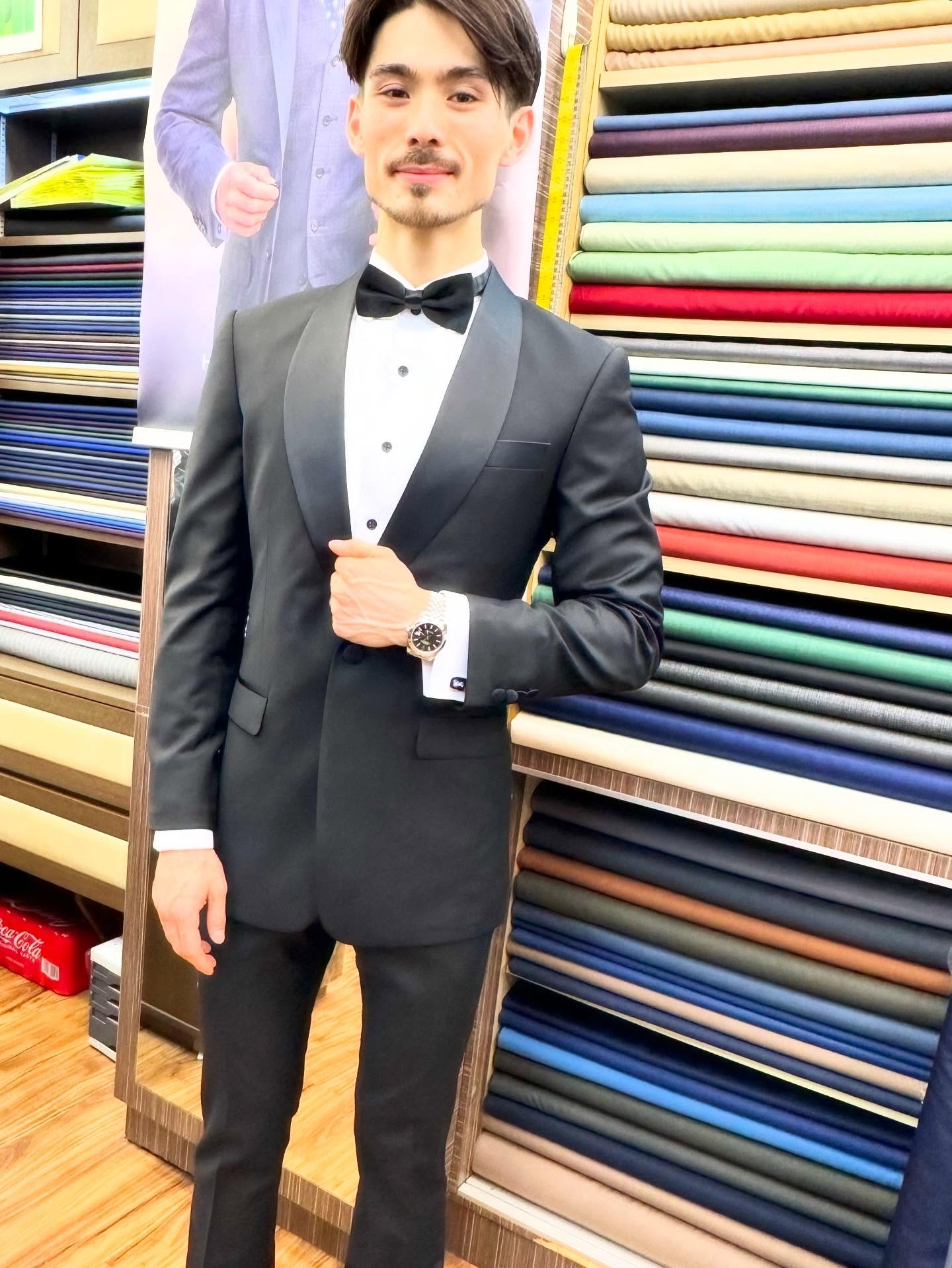
Choose a Long Tie for a Clear, Versatile Line
A long tie is a natural companion to a conventional suit. It can create an understated groom’s look or introduce a deliberate ceremonial detail through colour, texture and the way it sits against the shirt.
If you worry that the result will resemble a work outfit, review the combination rather than dismissing the tie itself. A considered cloth, a shirt that frames it well and restrained supporting accessories can change the impression without needing a louder design.
Check width in relation to your jacket lapels and overall proportions. You do not need a rigid formula, but an extremely narrow tie beside broad lapels can look disconnected. Compare options on your body instead of judging each item separately on a table.
Assess the knot and finished length together
The knot needs to sit comfortably in the collar opening. A thick tie tied into a large knot may crowd a collar that worked well with a smaller one. Try the actual tie and the knot you intend to use.
Review the finished length with your trousers in their intended position. The end of a conventional tie commonly sits around the waistband, although the exact appearance depends on the outfit. A waistcoat should accommodate the tie without creating an obvious lump beneath its front.
Make sure someone can reproduce the knot on the wedding morning. A look achieved once with considerable help needs a practical plan if you will be dressing elsewhere.
Choose a Bow Tie When It Suits the Complete Look
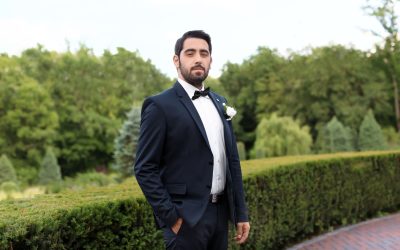
A bow tie brings the focus closer to the face and leaves more of the shirt front visible. With a conventional suit, it can feel personal and festive. With traditional black-tie eveningwear, it forms part of the established ensemble.
Shape and scale matter. A broad bow may dominate a small collar opening; a very small one may disappear against a substantial jacket. Try it with the shirt and jacket rather than selecting solely from a close photograph of the accessory.
Consider the shirt front that becomes visible below it. Plain, textured and more decorative formal fronts produce different effects. The bow tie cannot settle that decision on its own, so review the whole area between the lapels.
Choose a fastening you can manage comfortably
A self-tied bow tie has an individual shape, but it requires practice. If that is your preference, learn with the actual bow tie well before the wedding and check the result while wearing the chosen shirt.
A pre-tied option can simplify dressing if you like its appearance. Assess the size adjustment and how the fastening sits around the collar, particularly if anything is visible from the side or back.
Neither option should require an uncomfortably tight setting to stay in place. Try turning your head and looking down. The neatest front view is less useful if you spend the ceremony noticing pressure around your neck.
Compare Colour, Texture and Pattern in Context
For a conventional wedding suit, compare neckwear against the actual jacket cloth and shirt. Colour names alone are too broad to settle the relationship. Two burgundy ties can differ substantially in depth, sheen and the way their texture catches the light.
If the suit is patterned, a quieter tie or bow tie often makes coordination easier. If the suit is plain, neckwear can provide a point of interest without requiring every other accessory to do the same.
For patterns, consider scale as well as colour. Several small, busy patterns close together can make the neckline look crowded. Try simplifying the shirt or neckwear rather than forcing every attractive item into one combination.
Use the wedding palette as guidance
You can connect the neckwear to the wider celebration without matching every flower and fabric exactly. A related shade or a restrained contrast may feel more natural than an exact colour repeated across the entire wedding party.
The pocket square does not need to duplicate the tie. Look for a compatible relationship and leave enough visual space around the lapel flower, if you will wear one. Our guide to suit accessories considers those finishing pieces more broadly.
For a traditional black-tie ensemble, evaluate texture and finish within its conventions rather than applying the full colour freedom of a conventional suit. Keep the event’s dress expectations as the reference point.
See How the Neckwear Works With Every Layer
The shirt collar is the immediate setting for either option. Its opening, point length and shape affect the result. A collar you enjoy wearing open may create a different balance once a tie knot or bow occupies the space.
Fasten the shirt properly and put on the jacket. Check the front and side views. Look for collar points that sit awkwardly, a knot that crowds the opening or a bow that hides most of the collar.
If you are wearing a waistcoat, add it before making the final decision. A high neckline shows less of a long tie; a deeper neckline exposes more shirt beneath a bow. Neither arrangement is wrong by itself, but it should be deliberate.
Review the outfit without the jacket too
You may remove your jacket during informal parts of the reception. Check whether the shirt, neckwear and trousers still look considered together. This helps avoid a combination that works only when most of it is covered.
If you plan to remove the neckwear later, try the open collar beforehand. Take account of how the shirt settles after movement, and keep the removed accessory somewhere safe instead of pushing it into a trouser pocket.
A change of neckwear can alter the mood, but it does not automatically change the dress category of the garments. Choose the original outfit around your celebration rather than relying on an accessory swap to solve incompatible requirements.
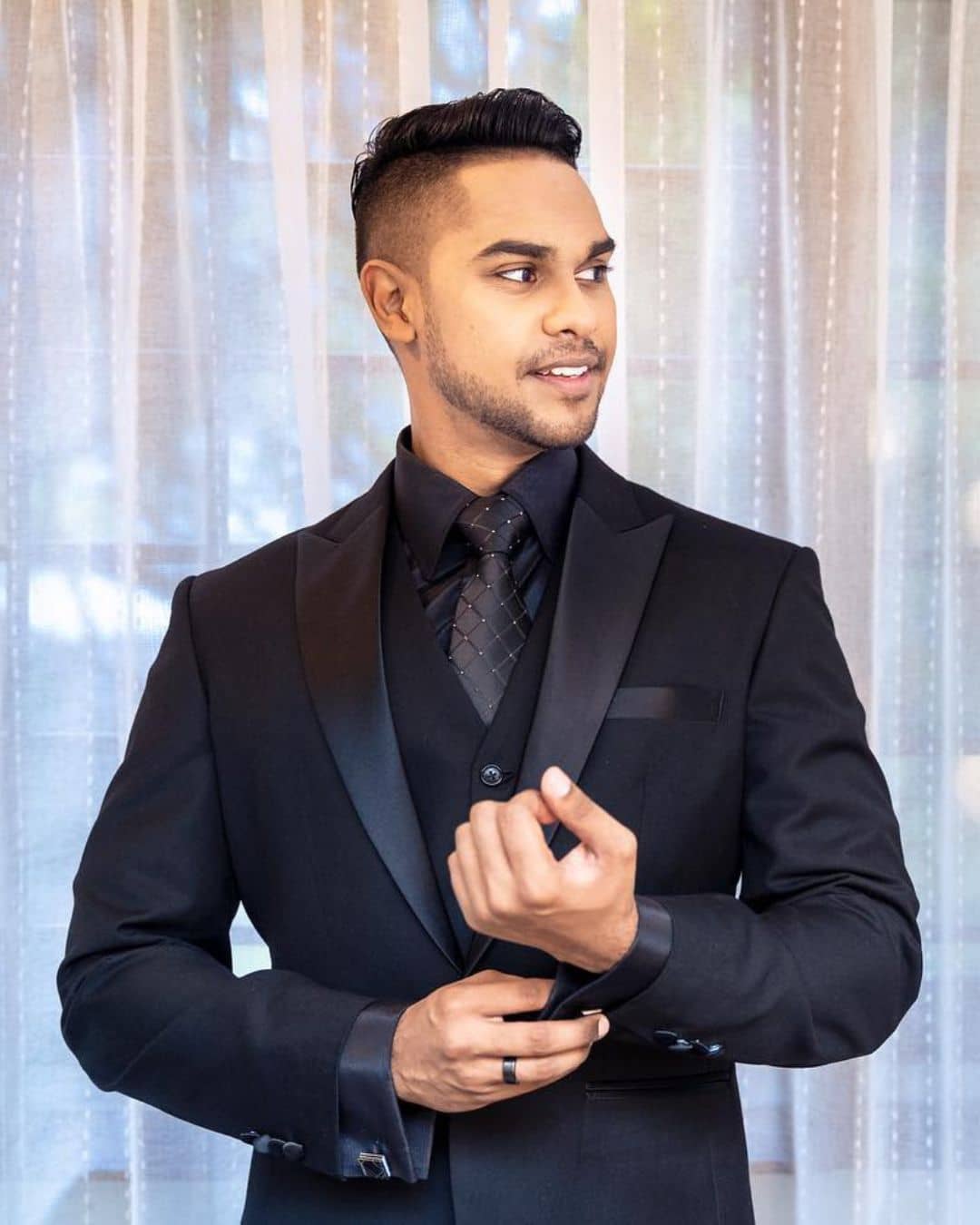
Make the Choice Easy to Wear on the Day
Set aside a short rehearsal with the complete outfit. Tie the knot or fasten the bow, put on the jacket and spend a few minutes sitting, standing and turning your head. You are checking the practical experience as well as the mirror.
If you are comparing both options, take photographs under similar conditions with your usual posture. Keep the shirt, jacket and camera position consistent. That makes it easier to see how the neckline changes without confusing the comparison with lighting or pose.
Ask your partner for a view of the overall combination. Then choose the option you feel comfortable wearing; there is little value in a striking accessory that feels unfamiliar enough to distract you throughout the ceremony.
Prepare the small details
- Practise the chosen fastening with the actual accessory.
- Check that it remains comfortable with the shirt collar closed.
- Group the neckwear with the correct shirt and cuff accessories.
- Tell your helper where any spare is kept.
- Follow the accessory’s care advice before the wedding.
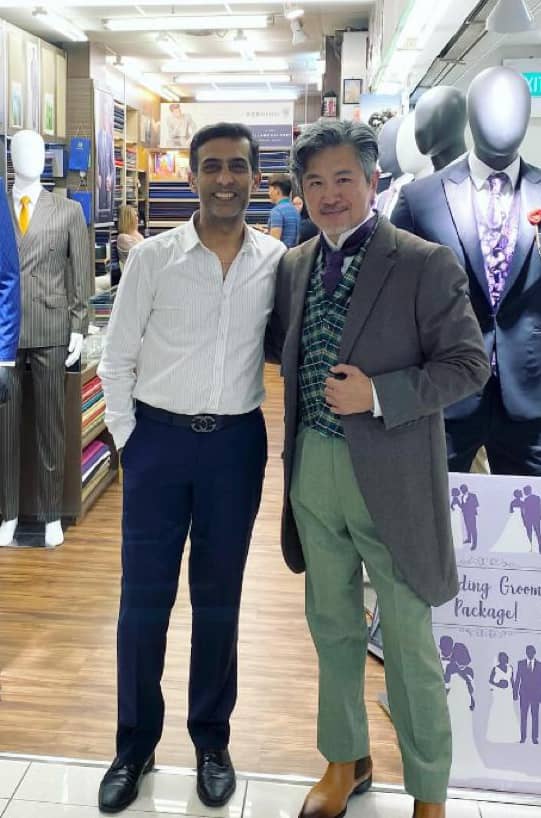
When discussing a wedding suit at C. Armani Tailors, bring the neckwear you are considering or show clear references. Confirm suitable garment options directly. Seeing the neckline within the suit brief makes the choice more useful than treating it as a final purchase disconnected from the tailoring.
Choose the Neckwear That Completes Your Groom’s Look
The right choice follows the dress code, works with your shirt and tailoring, and feels comfortable around your neck. A long tie offers a clear vertical line; a bow tie creates a different focus around the face and shirt front. Assessing both within the complete outfit lets you choose with purpose.
For grooms exploring wedding suits in Singapore, bring that overall look into your conversation with C. Armani Tailors. Your ceremony and reception plans, intended shirt and preferred neckwear give the tailoring discussion a shared direction from the start.
Visit the C. Armani Tailors showroom at #02-42 Far East Plaza, 14 Scotts Road, Singapore 228213 with your wedding outfit references, or use the Contact Us button below to discuss a groom’s suit that works with the neckwear and celebration you have in mind.

0 Comments