
A waistcoat can look excellent beneath a jacket and surprisingly awkward once the jacket comes off. Sometimes the front is too short for the trousers. Sometimes the neckline hides the tie, or the fastening pulls despite an apparently correct size. These are questions of proportion and fit that deserve attention when the outfit is planned.
Good wedding waistcoat fit depends on more than how closely the garment follows your chest. Its length must work with the trouser rise, its neckline must make sense with the shirt and neckwear, and its shape must remain comfortable as you sit and stand.
This guide is for grooms who already want a waistcoat and need to understand how it should work within the outfit. If you are still deciding whether to include one, our comparison of two-piece and three-piece suits explains that broader choice.
There is no universal measurement that produces the right result for every groom. Use the principles below to discuss the finished relationship between the garments, then have the tailor assess your own proportions and the design you have chosen.
Start With the Waistcoat and Trousers Together
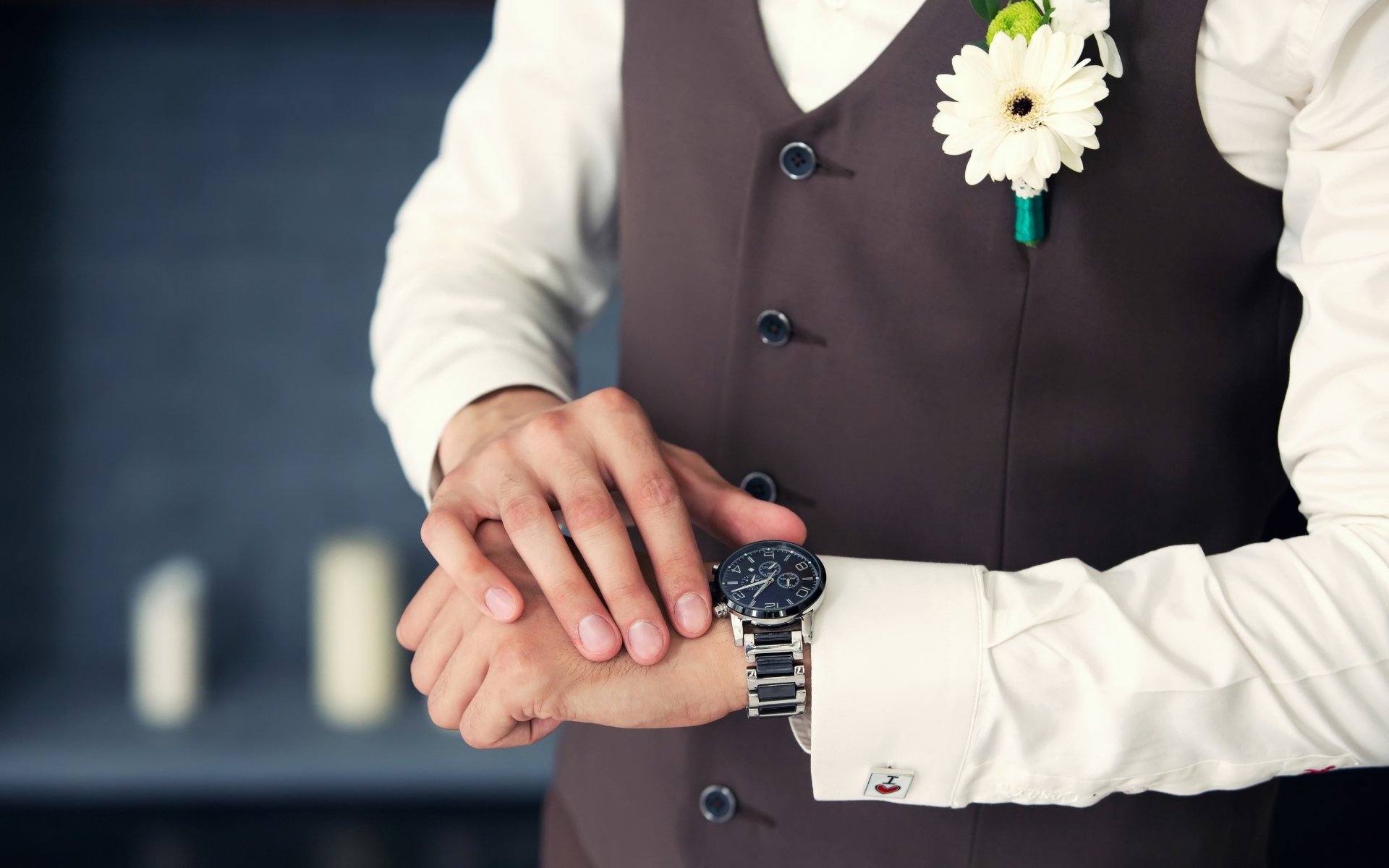
The lower edge of the waistcoat should generally cover the trouser waistband when you stand naturally. An unintended strip of shirt between the two pieces interrupts the line and often draws attention precisely where you wanted a clean finish.
That relationship is affected by trouser rise. A waistcoat designed around trousers sitting higher on the body may look too short when worn with trousers sitting lower. Lengthening the waistcoat is not always the best answer; the trouser position and intended outfit proportions need to be considered first.
Do not use the pointed tips as the only measure
Many waistcoats have pointed fronts. Their lowest tips may reach the trousers while the area between them still exposes shirt. Look at the complete lower edge, including the sides, rather than deciding from one point alone.
Stand evenly with the trousers in their intended position. Then sit and rise again. The garments will move, but they should return to a comfortable relationship without repeated tugging.
A belt can add bulk beneath the waistcoat. Braces or side adjusters may suit some outfits, depending on the trouser design and your preferences. Discuss the actual fastening arrangement rather than assuming you can switch it later without affecting the result.
Bring the trousers into the discussion from the beginning. Treating the waistcoat as an isolated accessory makes this basic proportion much harder to resolve.
Look for Shape Without Strain Across the Front
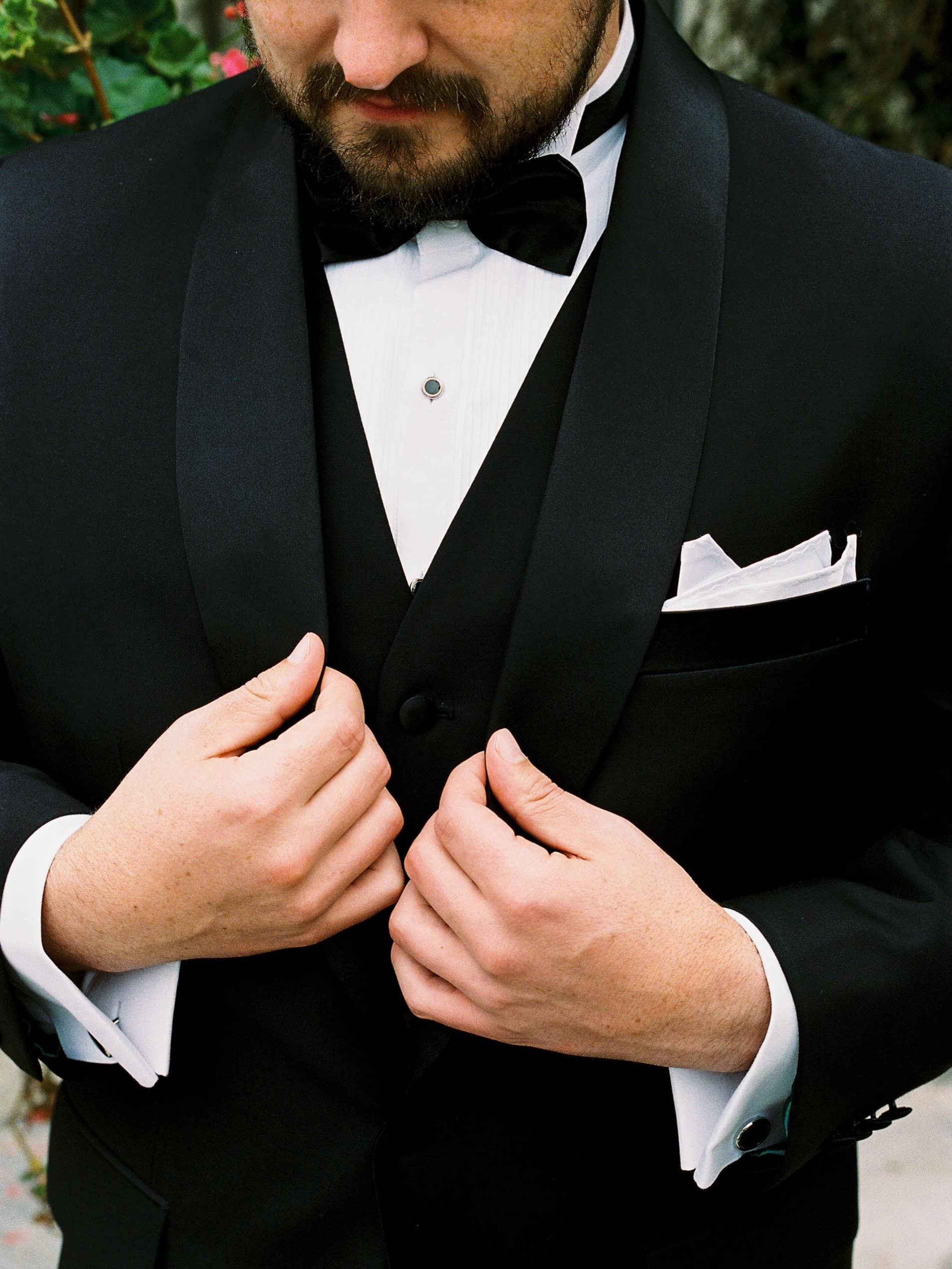
A waistcoat usually sits nearer the body than a jacket, but it should not feel like compression clothing. The front needs enough room to lie cleanly when fastened while allowing you to breathe and change position comfortably.
Persistent pulling around buttons, a front that spreads apart or fabric that rides upward can signal a fit concern. These observations do not tell you the cause by themselves. The tailor should assess chest room, waist shaping, length and balance together.
Equally, excess room can make the waistcoat appear detached from the outfit, particularly once the jacket is removed. Asking for a smaller size or tighter back adjustment may reduce that excess in one area while creating pressure elsewhere.
Check in your ordinary posture
Relax your shoulders and stand as you normally do. A waistcoat should not depend on holding your stomach in or maintaining a carefully posed stance. Tell the tailor if you feel pressure while the front looks smooth.
Look at the sides as well as the centre. Gaping armholes, twisting side seams or a front that consistently shifts may deserve assessment. Your shirt should also be considered: a large amount of loose shirt fabric can gather beneath a close waistcoat.
Use precise observations instead of a general request for a “slimmer” look. Explain where the garment feels loose or restrictive, and let the tailor judge which adjustment could preserve the intended shape.
Balance the Neckline With the Shirt and Tie
The waistcoat opening frames part of the shirt and neckwear. A higher opening produces a different effect from a deeper one, even when the cloth and colour remain identical. Review that opening as part of the complete wedding outfit.
Wear the planned shirt and tie when assessing it. A tie knot that looked balanced with the jacket alone may appear crowded if the waistcoat rises close beneath it. A deeper opening shows more of the tie and shirt, changing the visual balance across the chest.
Bow ties create another arrangement because there is no long tie blade filling the opening. Look at how much shirt remains visible and whether that matches the level of formality and style you intend.
Let jacket and waistcoat designs work together
The waistcoat neckline should relate sensibly to the jacket front. Too many competing edges, pronounced lapels or decorative details can make a relatively simple suit feel busy. Ask to compare the appearance with the jacket fastened and unfastened.
A waistcoat with lapels is a different visual proposition from one without them. If you like that detail in a reference photograph, show the full outfit rather than a cropped image of the waistcoat alone.
The aim is a clear, comfortable neckline that frames your face and shirt. Choose the opening because it works on you, rather than copying a measurement or button count from another groom’s outfit.
Understand What the Back Adjustment Can Do
Many waistcoats include an adjustment at the back, although designs vary. It can refine the way the garment sits around the torso. It cannot automatically correct every issue with front length, chest room or overall balance.
Over-tightening may pull the front sideways, make the sides sit awkwardly or create pressure while seated. If tightening the back improves one view but spoils another, ask the tailor to assess the underlying fit instead of continuing to draw it in.
Check the adjustment beneath the jacket. A buckle or strap that feels harmless on its own may become noticeable against a chair or under the jacket back. Your comfort during a long dinner matters as much as the standing front view.
Think about the view when your jacket comes off
The back cloth and finish may differ from the front. Review those details before committing, especially if the waistcoat will be visible during informal reception moments. Confirm the available design and material options with the tailor.
Check that the shirt gathers comfortably beneath the back rather than forming large folds that you keep trying to flatten. Avoid solving this by choosing a shirt that is uncomfortably tight.
If you will wear braces, bring them when assessing the outfit. Their straps and attachment points need to work with the waistcoat and trousers as worn, including the view from the side and back.
Matching and Contrasting Waistcoats Need Different Restraint
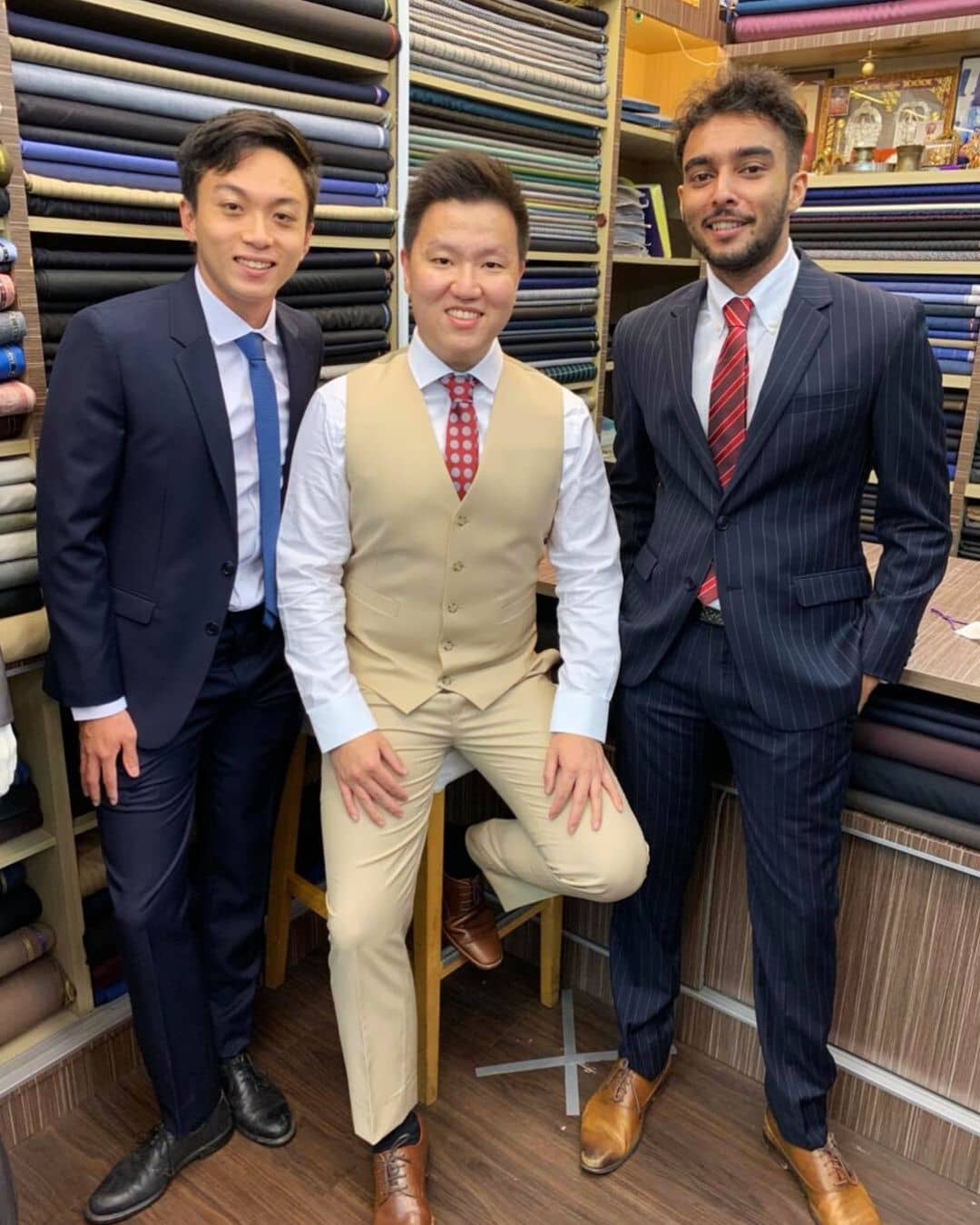
A matching waistcoat can give a three-piece suit continuity, particularly when the front cloth closely follows the jacket and trousers. A contrasting waistcoat draws more attention to the torso and creates another colour or texture to coordinate.
Neither approach resolves poor fit. Choose the cloth direction after considering the proportions, then review how the combination looks with the shirt and neckwear. A busy contrast can make a small gap or pulling more noticeable rather than disguising it.
For a contrasting option, change one or two elements deliberately. A different shade in a restrained texture can provide interest without adding a strong pattern as well. If the jacket is already patterned, consider whether a quieter waistcoat gives the eye somewhere to rest.
Coordinate without recreating the wedding palette everywhere
A waistcoat does not need to match flowers, invitations and every groomsman’s tie exactly. Choose a combination that sits comfortably alongside the wider wedding styling and your partner’s attire.
Our wedding suit colour guide provides context for the main suit. The waistcoat should support that direction instead of becoming a separate colour decision that changes the entire outfit.
Look at the cloths together in person where possible. Screen images are useful for expressing a preference, but cannot reliably settle small differences in shade, sheen or texture.
Test How the Waistcoat Works Across the Celebration
Once the proportions are settled, wear the complete combination through ordinary movements. Sit, stand, turn and take a few steps. Notice whether you keep pulling the front down or adjusting the sides to restore the look.
Ask which buttons are intended to be fastened for your particular design. Leaving the bottom button undone is a common convention for many traditional single-breasted waistcoats, but construction and styling vary. Follow advice for the actual garment rather than a rule detached from its shape.
Consider the length of time you will wear the layer. In Singapore, an outfit for a short air-conditioned ceremony presents a different comfort question from one worn through outdoor portraits and a long reception. The waistcoat adds a layer even when its cloth feels light in your hand.
Bring a useful tailoring brief
- Your planned trousers and where they will sit.
- The wedding shirt and neckwear, or clear details if still being chosen.
- Whether the jacket will come off during the celebration.
- Your preference for matching or contrasting cloth.
- Any pressure or shifting noticed while seated.
When exploring wedding tailoring at C. Armani Tailors, discuss the waistcoat within the whole groom’s outfit. Confirm available options and the fitting arrangements directly, so your decision reflects the garments that can actually be made for your requirements.
Make the Waistcoat Belong to Your Wedding Outfit
A well-considered waistcoat connects the shirt, jacket and trousers through balanced proportions. Its lower edge meets the waistband naturally, its neckline suits the neckwear and its shape remains comfortable when you sit. Those relationships give it purpose beyond adding a third piece.
If you are planning a bespoke wedding suit in Singapore with a waistcoat, bring the complete idea to C. Armani Tailors: the silhouette you like, the trousers you intend to wear and the parts of the celebration where the waistcoat will be visible. That gives the discussion a practical foundation.
Visit our showroom at #02-42 Far East Plaza, 14 Scotts Road, Singapore 228213 to explore a wedding suit and waistcoat combination suited to you, or use the Contact Us button below to discuss your preferred look and tailoring requirements.
0 Comments